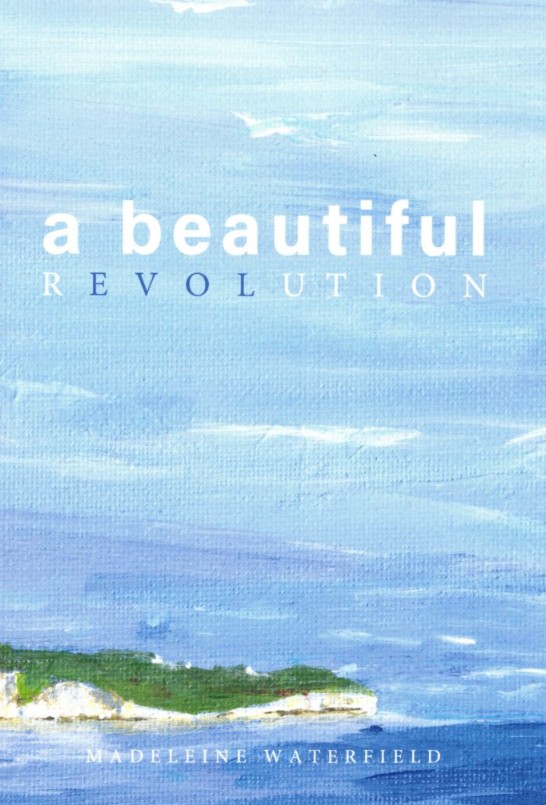
By Madeleine Waterfield
One can only start by saying that this should have been two books, not one. That it has been written as a single book detracts from some of the stunning and engaging content relating to the author’s family and their joys and travails in Australia. As it was, it was necessary to look for those nuggets of treasure in between what appeared to be the primary aim of the book.
On the face of it, the book relates to a home educating family travelling around Australia with a great deal of enthusiasm, a reasonable amount of experience and a generous dollop of naivety. However, that consistently engaging content is detracted from by the ‘main’ book, a highly controversial challenge against the developed world with significant support for a number of conspiracy theories.
Would we recommend that ‘main’ book? No. Sadly, much the author’s work is lost, or at least harmed by, the ‘conspiracy’ aspect of the content. It was surprising to read in the ‘advisory’ that the use of 1,000 citations was presented as evidencing the truth of the claims as, unfortunately, many of those ‘citations’ were not from credible sources. The author presents some very valid points in respect of the benefits of living sustainably, and how we care for our world, the land and ourselves. However, much of that valuable argument is lost amongst others which will be viewed by most readers as specious.
To come to the ‘second’ book, would we recommend it? Resoundingly yes. The author’s descriptive talent when painting a picture in print of the family’s escapades is excellent. The imagery of a shocked child screaming as a lizard leapt from her shoulder into a cool pool and had to be saved and revived, brought the scene to mind so well that the reader could practically have been there. The Australian scenery is in the mind’s eye as one reads and imagines the family adventures.
It was particularly pleasing to note that, whilst the family’s journey around Australia is presented in a primarily positive light, the author does not shy from sharing some of the less positive aspects. Readers love to know that what is being described to them is possible, and to do that, they need to see the humanity of those involved; by including descriptions of frustrations, difficulties, mistakes and even squabbles, that humanity shines.
World schooling, or home educating whilst travelling and adventuring, is aspirational for many home educating families and many would read this particular adventure with a sense of wishfulness. Reading about this family’s journey in both physical and emotional sense, provided a great deal of enjoyment and created a sense of longing for a simpler life.
If it were possible to extract the home education adventure from the background noise and to present it as a separate book, it would certainly grace our shelves.
A Beautiful Revolution is available here.
